Growing fresh herbs doesn’t have to involve soil, fertilizer, or complicated gardening setups.
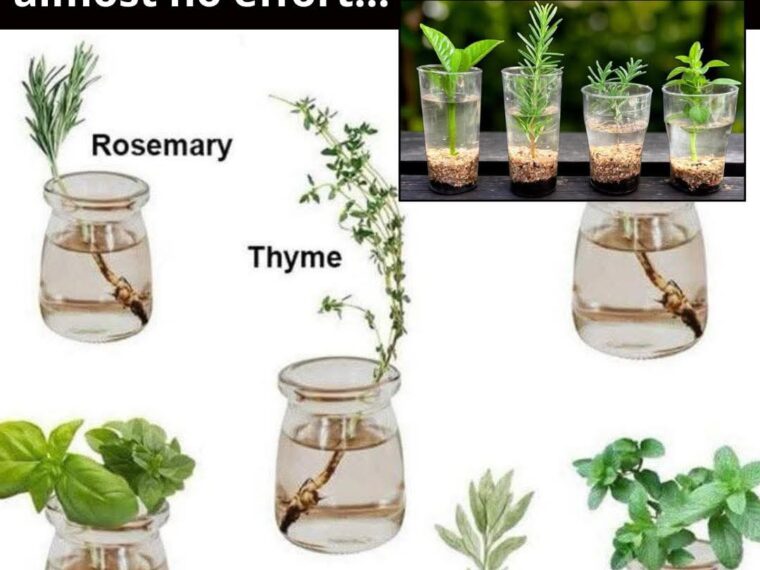
In fact, you can grow a surprising number of culinary and medicinal herbs using nothing but water – right on your kitchen windowsill.
Whether you’re short on space, living in an apartment, or simply want an easy way to have fresh herbs year-round, water propagation (also called hydroponic herb growing) is a simple, low-maintenance solution that anyone can master.
Why Grow Herbs in Water?
Growing herbs in water isn’t just a trendy gardening hack – it’s an ancient and highly effective method that mimics how many plants naturally propagate in the wild.
For centuries, gardeners and herbalists have used water to root cuttings, keep fresh herbs alive longer, and grow plants indoors without soil.
Here’s why you might want to try it:
1. Low Maintenance and Beginner-Friendly
No weeding, no soil, no fertilizer, no mess – just water. This makes water gardening perfect for beginners or those who don’t have the time or space for a traditional garden.
2. Grow Herbs Indoors Year-Round
Even in the middle of winter, you can have a thriving herb garden indoors with consistent light and water.
3. Continuous Harvest
Because herbs keep growing as long as they have water, light, and nutrients, you can harvest fresh leaves for months – or even years.
4. Cost-Effective
You don’t need pots, soil, or special equipment. A glass jar or recycled container and some fresh water are often all you need.
5. Eco-Friendly
Growing herbs in water reduces waste (no potting soil or fertilizer runoff) and allows you to reuse kitchen cuttings and trimmings that would otherwise go in the trash.
How to Grow Herbs in Water: Step-by-Step
Before we get into the list of herbs, let’s quickly cover the basics of how to grow them successfully in water.
1. Choose Healthy Cuttings
The easiest way to start is by taking 4–6 inch cuttings from healthy, established herb plants. Choose young, green stems rather than older, woody ones.
- Cut just below a leaf node (the point where leaves emerge).
- Remove the lower leaves to prevent rot.
- Leave at least 2–3 sets of leaves at the top.
2. Use the Right Container
Use glass jars, bottles, or recycled containers. Amber or dark-colored glass helps reduce algae growth. If using clear glass, wrap the outside with paper or foil to block sunlight from reaching the roots.
3. Fill with Clean Water
Use room-temperature, non-chlorinated water. If your tap water is heavily chlorinated, let it sit out overnight before using. Rainwater or filtered water is ideal.
4. Place in Bright, Indirect Light
Most herbs thrive near a south- or east-facing window where they get plenty of indirect sunlight. Avoid direct harsh afternoon sun, which can overheat the water and damage tender roots.
5. Change the Water Regularly
Change the water once a week to prevent bacteria growth and replenish oxygen. Rinse the roots gently if algae or slime appears.
6. Harvest Often
Frequent harvesting encourages bushier growth. Pinch back stems regularly, but always leave at least one-third of the plant intact so it can keep growing.
12 Herbs You Can Grow in Water All Year Round
Now, let’s dive into the stars of this method – 12 easy, rewarding herbs that thrive in water.
1. Basil (Ocimum basilicum)
Why it’s perfect for water growing: Basil is one of the fastest and easiest herbs to root in water. It starts producing roots within a week and can thrive for months indoors.
How to grow:
- Take a 4-inch cutting from a healthy basil plant, just below a leaf node.
- Place it in a jar of water in a sunny windowsill (at least 6 hours of light per day).
- Change the water weekly.
Tips for success:
- Harvest regularly to encourage branching.
- Avoid letting flowers form – this diverts energy from leaf production.
- Basil prefers warmth, so keep it away from cold windowsills in winter.
Uses: Fresh basil is perfect for pesto, tomato sauces, salads, infused oils, and herbal teas.

12 Herbs you Can Grow With Just Water all Year Round
7 mins read
January 5, 2020
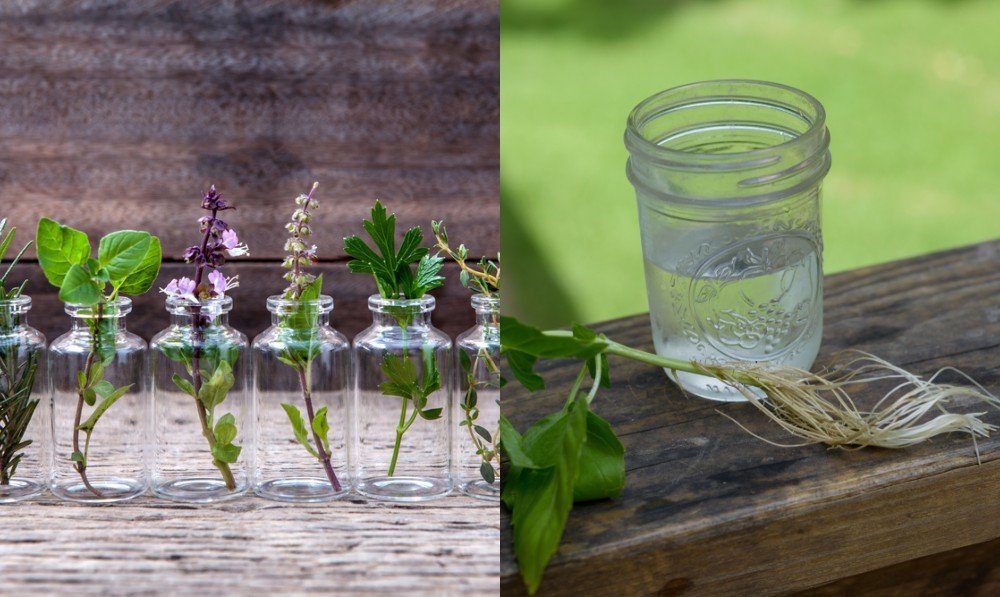
Growing fresh herbs doesn’t have to involve soil, fertilizer, or complicated gardening setups.
In fact, you can grow a surprising number of culinary and medicinal herbs using nothing but water – right on your kitchen windowsill.
Whether you’re short on space, living in an apartment, or simply want an easy way to have fresh herbs year-round, water propagation (also called hydroponic herb growing) is a simple, low-maintenance solution that anyone can master.
Why Grow Herbs in Water?
Growing herbs in water isn’t just a trendy gardening hack – it’s an ancient and highly effective method that mimics how many plants naturally propagate in the wild.
For centuries, gardeners and herbalists have used water to root cuttings, keep fresh herbs alive longer, and grow plants indoors without soil.
Here’s why you might want to try it:
1. Low Maintenance and Beginner-Friendly
No weeding, no soil, no fertilizer, no mess – just water. This makes water gardening perfect for beginners or those who don’t have the time or space for a traditional garden.
2. Grow Herbs Indoors Year-Round
Even in the middle of winter, you can have a thriving herb garden indoors with consistent light and water.
3. Continuous Harvest
Because herbs keep growing as long as they have water, light, and nutrients, you can harvest fresh leaves for months – or even years.
4. Cost-Effective
You don’t need pots, soil, or special equipment. A glass jar or recycled container and some fresh water are often all you need.
5. Eco-Friendly
Growing herbs in water reduces waste (no potting soil or fertilizer runoff) and allows you to reuse kitchen cuttings and trimmings that would otherwise go in the trash.
How to Grow Herbs in Water: Step-by-Step
Before we get into the list of herbs, let’s quickly cover the basics of how to grow them successfully in water.
1. Choose Healthy Cuttings
The easiest way to start is by taking 4–6 inch cuttings from healthy, established herb plants. Choose young, green stems rather than older, woody ones.
- Cut just below a leaf node (the point where leaves emerge).
- Remove the lower leaves to prevent rot.
- Leave at least 2–3 sets of leaves at the top.
2. Use the Right Container
Use glass jars, bottles, or recycled containers. Amber or dark-colored glass helps reduce algae growth. If using clear glass, wrap the outside with paper or foil to block sunlight from reaching the roots.
3. Fill with Clean Water
Use room-temperature, non-chlorinated water. If your tap water is heavily chlorinated, let it sit out overnight before using. Rainwater or filtered water is ideal.
4. Place in Bright, Indirect Light
Most herbs thrive near a south- or east-facing window where they get plenty of indirect sunlight. Avoid direct harsh afternoon sun, which can overheat the water and damage tender roots.
5. Change the Water Regularly
Change the water once a week to prevent bacteria growth and replenish oxygen. Rinse the roots gently if algae or slime appears.
6. Harvest Often
Frequent harvesting encourages bushier growth. Pinch back stems regularly, but always leave at least one-third of the plant intact so it can keep growing.
12 Herbs You Can Grow in Water All Year Round
Now, let’s dive into the stars of this method – 12 easy, rewarding herbs that thrive in water.
1. Basil (Ocimum basilicum)
Why it’s perfect for water growing: Basil is one of the fastest and easiest herbs to root in water. It starts producing roots within a week and can thrive for months indoors.
How to grow:
- Take a 4-inch cutting from a healthy basil plant, just below a leaf node.
- Place it in a jar of water in a sunny windowsill (at least 6 hours of light per day).
- Change the water weekly.
Tips for success:
- Harvest regularly to encourage branching.
- Avoid letting flowers form – this diverts energy from leaf production.
- Basil prefers warmth, so keep it away from cold windowsills in winter.
Uses: Fresh basil is perfect for pesto, tomato sauces, salads, infused oils, and herbal teas.
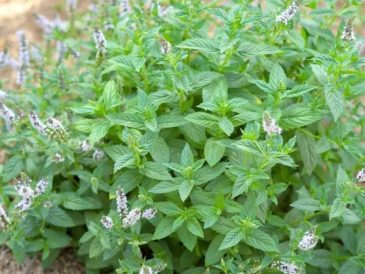
2. Mint (Mentha spp.)
Why it’s perfect: Mint is nearly indestructible and grows quickly in water, making it ideal for beginners.
How to grow:
- Take a 4- to 5-inch cutting from a healthy stem, remove the lower leaves, and place it in water.
- Keep it in indirect sunlight – too much direct light can scorch the leaves.
Tips for success:
- Change water often; mint is sensitive to stagnation.
- Pinch back regularly to keep it bushy and prevent legginess.
Uses: Mint is excellent for teas, desserts, cocktails (like mojitos), sauces, and refreshing infused waters. It’s also known for soothing digestion and freshening breath.
3. Oregano (Origanum vulgare)
Why it’s perfect: Oregano is a Mediterranean herb that adapts well to water propagation and retains its strong flavor.
How to grow:
- Snip a 5-inch cutting and strip the lower leaves.
- Keep the jar in a sunny location with 6+ hours of light daily.
Tips for success:
- Harvest stems before flowering for the best flavor.
- Add a few drops of liquid seaweed fertilizer to the water once a month for long-term growth.
Uses: Perfect for Italian, Greek, and Mexican dishes, oregano also has antibacterial and immune-boosting properties.
4. Thyme (Thymus vulgaris)
Why it’s perfect: Thyme is a hardy herb that roots well in water and keeps producing for months.
How to grow:
- Take a 3- to 4-inch cutting, remove the lower leaves, and place it in water.
- Place in a sunny window (at least 6 hours of light).
Tips for success:
- Trim regularly to prevent woody growth.
- Keep the water shallow – thyme doesn’t like soggy conditions.
Uses: Thyme pairs beautifully with roasted meats, soups, stews, and vegetables. It’s also used in natural remedies for coughs and colds.
5. Rosemary (Rosmarinus officinalis)
Why it’s perfect: Rosemary can be slightly slower to root, but once established, it thrives in water.
How to grow:
- Take a 6-inch cutting from new growth (not old woody stems).
- Strip the lower leaves and place the cutting in water in a bright location.
Tips for success:
- Be patient – rosemary can take 3–4 weeks to root.
- Mist the leaves if indoor air is dry.
Uses: Rosemary is a classic culinary herb for roasted meats, potatoes, and bread. It also improves circulation, boosts memory, and supports hair growth.
6. Sage (Salvia officinalis)
Why it’s perfect: Sage has antibacterial properties and thrives in bright, sunny windows. It grows slower in water but remains healthy year-round.
How to grow:
- Take a 4- to 5-inch softwood cutting and remove the lower leaves.
- Place in a glass jar and keep in direct or bright indirect sunlight.
TO CONTINUE READING THE ARTICLE PLEASE SEE PAGE 2