Keeping a home spotless does not have to depend on expensive supermarket products. With a few simple ingredients that most people already have in the kitchen, you can create a high-performance multi-purpose cleaner that removes grease, restores shine, eliminates odors, and helps lift tough grime from pots, pans, sinks, and stainless-steel surfaces.
This recipe uses the natural cleaning strength of lemon peels, combined with salt, baking soda, vinegar, and a bottle of dish detergent. The result is a thick, pleasantly scented cleaning concentrate that stretches your budget and keeps your home looking fresh.
Below you’ll find a complete step-by-step guide, how it works, and how to use it effectively on different surfaces.
Why This Homemade Cleaner Works So Well
Each ingredient has a specific purpose, and together they create a powerhouse formula:
- Lemon peels release natural oils and citric acid, known for cutting grease, dissolving mineral deposits, and leaving a fresh fragrance.
- Salt acts as a natural abrasive and helps extract the active compounds from the lemon peels.
- Baking soda softens water, helps break down grime, and neutralizes odors.
- Apple cider vinegar adds antifungal and antibacterial properties.
- Dish detergent enhances grease-cutting power and creates a gel-like consistency.
This combination produces a cleaner that can be used on pots, pans, sinks, tiles, stove tops, and even stainless steel appliances, making it an economical alternative to commercial products.
How to Make the DIY Lemon-Peel Multi-Purpose Cleaner
Ingredients
- 1 liter of tap water
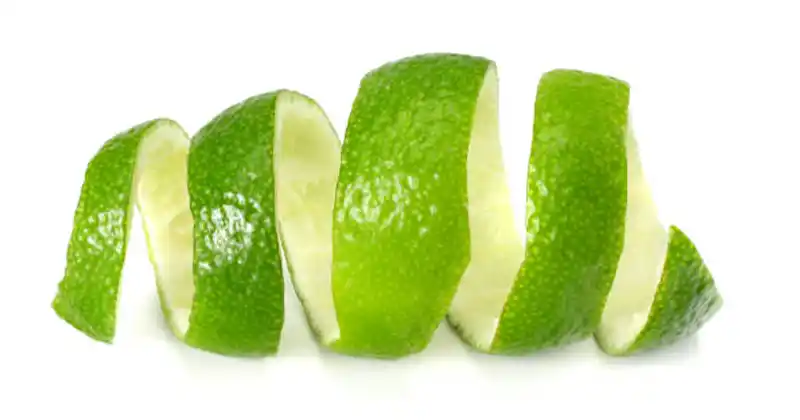
- Peels from 5 lemons (any lemon variety works)
- 2 tablespoons of salt
- 1 tablespoon of baking soda
- 150 ml of apple cider vinegar
- 1 bottle of liquid dish detergent of your choice
Step-by-Step Preparation
1. Heat the Water and Add the Lemon Peels
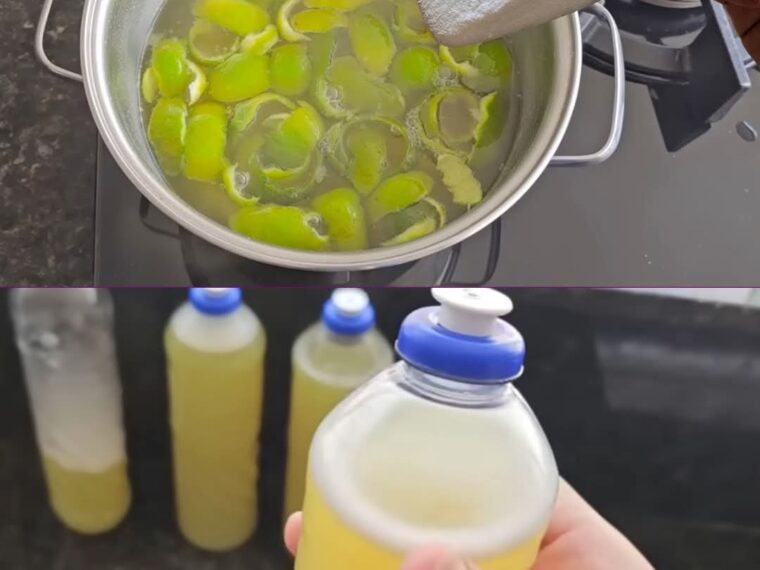
Pour 1 liter of water into a pot and add the five lemon peels. As the water heats, the lemon oils and natural acids begin to release into the solution.
2. Add the Salt
Mix in two tablespoons of salt and stir until completely dissolved.
Salt helps extract the lemon’s properties more efficiently and assists in softening hardened residues.
3. Add Baking Soda Carefully
Add one tablespoon of baking soda.
Do this slowly, as the mixture may foam lightly. Continue stirring until everything is well combined.
As the mixture heats, you will notice the color turn slightly yellowish—this is a sign that the lemon oils have been extracted successfully.
4. Strain the Solution
Once the mixture reaches a gentle boil and the color has deepened, turn off the heat.
Using a strainer, separate the liquid from the lemon peels.
You should now have a warm lemon-infused cleaning base.
5. Add the Vinegar Slowly
Pour 150 ml of apple cider vinegar into the warm mixture gradually, stirring as you go.
Adding vinegar slowly prevents any separation issues and ensures the solution stays smooth and consistent.
6. Incorporate the Dish Detergent
Finally, add the entire bottle of dish detergent to the mixture.
Stir gently in circular motions until everything is fully blended.
The final product will have a thick, glossy, beautifully scented consistency.
7. Bottle the Cleaner
Transfer the mixture into clean, dry bottles.
You will typically obtain around 3½ bottles of homemade cleaner, depending on the size of your containers.
This is why the recipe is considered extremely economical—you create several bottles of powerful cleaner at a fraction of store-bought cost.
How to Use Your Homemade Cleaner
1. For Burnt Pots and Pans
- Apply the cleaner directly to the surface.
- Let it sit for 3–5 minutes.
- Scrub gently with a sponge.
The formula helps loosen burnt residues, making them detach with minimal effort.
2. For Stainless Steel Shine
The cleaner removes:
- fingerprints
- grease
- dullness caused by water stains
Apply a small amount on a sponge, scrub lightly, and rinse.
Stainless steel regains brightness in seconds.
3. For Sinks and Faucets
Use it to:
- eliminate limescale
- remove yellowish stains
- refresh dull metal surfaces
Let the product act for a short time before rinsing for best results.
4. For Tiles and Countertops
Dilute one or two tablespoons of the cleaner in warm water for mopping or wiping down surfaces.
5. For Tough Grease
Use it undiluted directly on stovetops, oven doors, and areas exposed to oil splatters.
Tips for Best Results
- Shake gently before each use, as natural ingredients may settle.
- Use warm water when rinsing for even better cleaning power.
- Test on a small area first if using on delicate materials.
- Avoid using on natural stone (marble, granite) because citric acid may cause dullness.
Final Thoughts
This homemade lemon-peel cleaner proves that powerful cleaning does not require expensive chemicals. With minimal ingredients and no complicated steps, you can produce a fresh-smelling, multi-use solution that lifts grease, restores shine, and melts away stubborn grime from cookware and stainless-steel surfaces.
Not only does this recipe help you save money, but it also allows you to reuse lemon peels that might otherwise be thrown away—turning kitchen scraps into a highly effective cleaning tool.
Give it a try in your home, and you may find that this simple, natural formula replaces many store-bought products in your cleaning routine.
Inspired by this? Share the article with your friends!