Should You Freeze Persimmons to Ripen Them Faster? Here’s the Truth Behind the Trend
Persimmons are one of winter’s sweetest gifts, but if you’ve ever picked up a firm, unripe persimmon, you know the wait can feel endless. Recently, a popular trick has gone viral claiming that freezing persimmons makes them ripen faster and eliminates their natural astringency. But is this method really effective—or just another internet myth?
Here’s the full truth, backed by how persimmons naturally ripen and what actually happens when you freeze them.
Why Some Persimmons Need to Ripen Before Eating
There are two main types of persimmons:
1. Astringent Persimmons (e.g., Hachiya)
- Must be eaten very soft, almost jelly-like.
- When firm, they contain tannins that create an unpleasant, mouth-drying bitterness.
2. Non-Astringent Persimmons (e.g., Fuyu)
- Can be eaten crisp, like an apple, or soft.
- Low in tannins, so no bitterness.
Astringent varieties are the ones people struggle to ripen quickly—and where freezing becomes useful.
Does Freezing Persimmons Really Ripen Them Faster?
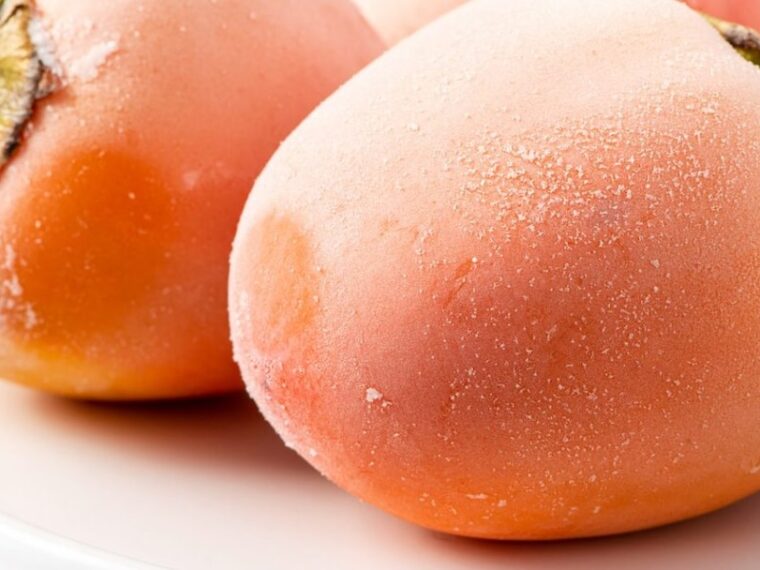
Yes—Freezing DOES Reduce Astringency
Freezing does not technically “ripen” the fruit, but it breaks down tannins, making the persimmon taste sweeter and less bitter.
Here’s what happens:
- When frozen, the water inside the fruit expands and breaks down cell walls.
- This speeds up the natural breakdown of tannins.
- After thawing, the persimmon becomes soft, sweet, and ready to eat.
Important Note:
Freezing works best with astringent persimmons like Hachiya.
Freezing Fuyu persimmons will soften them, but they don’t need it to become edible.
How to Freeze Persimmons to Make Them Edible Faster
Method 1: Freeze Whole Persimmons
- Wash and dry the persimmons.
- Place them in a freezer-safe bag or container.
- Freeze for 24–48 hours.
- Let them thaw at room temperature until soft.
They will become sweet, pudding-like, and perfect for eating with a spoon.
Method 2: Freeze Persimmon Pulp
Great for smoothies, baking, or jam.
- Scoop out soft or semi-soft pulp.
- Store in airtight containers.
- Freeze and use as needed.
This does NOT help green, hard persimmons—but it’s a great storage method.
Does Freezing Change the Taste or Texture?
Freezing softens the fruit significantly, giving it a custard-like consistency.
Most people love this texture, but if you prefer firm persimmons, freezing is not the right method.
Flavor becomes:
- Sweeter
- Less bitter
- More intense
Are There Other Ways to Ripen Persimmons Faster?
Yes! Here are some natural alternatives:
1. Use the Paper Bag Method
Place the persimmon in a paper bag with:
- an apple
- a banana
- or a pear
These fruits release ethylene gas, which speeds ripening.
2. Leave Them Near a Sunny Window
Warmth speeds up the softening process.
3. Store Them With Rice
Submerge the fruit in a bowl of uncooked rice.
This traps ethylene gas and accelerates ripening.
When You SHOULD Avoid Freezing Persimmons
- When the fruit is extremely green and immature
- When you want a firm, crunchy texture
- When using persimmons for salads or slicing
Freezing is best when you want soft, sweet, spoonable fruit.
Final Verdict: Should You Freeze Persimmons?
✔ Yes—If you want to reduce bitterness and soften them quickly.
Freezing is one of the easiest and most effective tricks for astringent persimmons.
✘ No—If you prefer firm persimmons or need a crisp texture.
Freezing will only turn them into a soft, pudding-like dessert.
Conclusion
Freezing persimmons is a clever and effective kitchen hack that makes astringent varieties delicious in just a day or two. While it doesn’t “ripen” the fruit in the traditional sense, it does break down tannins and transform the fruit into a sweet, silky treat.
Whether you enjoy them fresh, blended, or spooned straight from the skin, this trick can help you enjoy persimmons much sooner—and with a richer flavor.