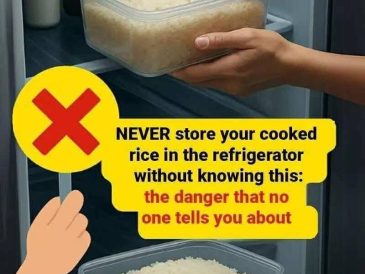

Plastic containers and wraps are a common choice for storing food due to their convenience and affordability. However, they are not always the best option for every type of food. Some foods can actually spoil faster, lose their flavor, or develop an undesirable texture when stored in plastic.
In this article, we’ll explore ten foods you should avoid storing in plastic and explain why alternative storage methods are better. By making small changes in how you store these foods, you can extend their shelf life and enjoy fresher, tastier meals.
1. Cheese: Traps Moisture and Molds
Cheese is a living, breathing food that continues to mature over time. When stored in plastic, the cheese’s natural moisture becomes trapped, creating a perfect environment for mold growth. This is especially true for soft cheeses, which contain more moisture to begin with. Hard cheeses, although less susceptible, can still become rubbery and lose their flavor when suffocated by plastic.
Instead of using plastic, wrap cheese in wax paper, parchment, or cheese paper. These materials allow the cheese to breathe while still retaining enough moisture to prevent it from drying out. Store the wrapped cheese in the refrigerator, ideally in a cheese drawer or the vegetable crisper.
2. Bread: Turns Gummy
Bread stored in plastic tends to trap moisture, which can cause it to become gummy and lose its fresh-baked texture. The lack of airflow inside a plastic bag speeds up the staling process, causing the bread to become chewy rather than soft.
For optimal storage, place bread in a paper bag or wrap it in a kitchen towel, which allows it to breathe while keeping it from drying out too quickly. If you need to store bread for longer periods, consider freezing it. Wrap the bread tightly in aluminum foil or freezer paper before placing it in the freezer.
3. Garlic: Loses Punch
Garlic stored in plastic can lose its potent flavor and aroma. The enclosed environment of plastic traps moisture, which can cause the garlic to sprout prematurely and develop a bitter taste.
To maintain its flavor and freshness, store garlic in a cool, dry place with plenty of air circulation, such as a mesh bag or a basket. This allows the garlic to ‘breathe’ and prevents it from becoming damp and sprouting.
4. Coffee: Absorbs Odors
Coffee beans or grounds stored in plastic can absorb odors from the container or surrounding foods, leading to an off-taste in your morning brew. Additionally, the aromatic oils in coffee can interact with the plastic, further altering the flavor.
For best results, store coffee in an airtight glass or ceramic container, kept in a cool, dark place to preserve its flavor and aroma. Avoid refrigeration, as the humidity can cause the coffee to lose its freshness more quickly.
5. Fresh Herbs: Wilts and Loses Flavor
Fresh herbs are delicate and can wilt or lose their vibrant flavor when stored in plastic. The lack of airflow in plastic containers can cause herbs to become limp and unappetizing.
To keep herbs fresh longer, store them in a glass of water, like a bouquet of flowers, and cover loosely with a plastic bag to allow for airflow. Alternatively, wrap them in a damp paper towel and store in a breathable container in the refrigerator.
6. Tomatoes: Ripens Too Quickly
Tomatoes stored in plastic can ripen and spoil too quickly due to the trapped ethylene gas they naturally emit. This gas is a ripening agent, and when confined, it accelerates the process, leading to overripe or mushy tomatoes.
Instead of plastic, store tomatoes at room temperature, away from direct sunlight, and allow them to breathe. Place them in a single layer on a plate or in a bowl. Once fully ripe, they can be transferred to the refrigerator to extend their shelf life by a few days.
7. Potatoes: Sprouts and Spoils
Potatoes stored in plastic can develop excess moisture, leading to sprouting and spoilage. The lack of airflow in plastic containers accelerates this process, causing potatoes to become soft and unusable.
To store potatoes properly, keep them in a cool, dark, and well-ventilated place, such as a burlap or paper bag. Avoid storing them in the refrigerator, as the cold temperature can convert the potato’s starches into sugars, altering their taste and texture.
8. Onions: Becomes Slimy and Rot
Onions stored in plastic can trap moisture, leading to them becoming slimy and rotting. The lack of air circulation in plastic containers exacerbates this issue, causing onions to spoil more quickly.
Store onions in a cool, dry, and well-ventilated area, such as a mesh bag or basket. This allows air to circulate and helps prevent moisture buildup. Keep onions away from potatoes, as the gases they emit can cause each other to spoil faster.
9. Apples: Alters Texture and Taste
Apples stored in plastic can become soft and lose their crisp texture. The ethylene gas emitted by apples can become trapped in plastic, accelerating the ripening process and altering both texture and taste.
For best results, store apples in a cool, dark place, such as a pantry. If you need to refrigerate them, keep them in a crisper drawer, ideally in a perforated plastic bag that allows for some air circulation.
10. Nuts: Absorbs Chemicals and Tastes Off
Nuts stored in plastic can absorb odors and chemicals from the container, resulting in an off-taste. The natural oils in nuts can also interact with the plastic, further altering their flavor.
To preserve their freshness and flavor, store nuts in an airtight glass or metal container, and keep them in a cool, dark place. For longer-term storage, nuts can be frozen in a well-sealed container.
11. Berries: Becomes Mushy and Spoils Faster
Berries stored in plastic can become mushy and spoil faster due to the trapped moisture and lack of airflow. The delicate nature of berries makes them particularly susceptible to mold and decay when stored improperly
To keep berries fresh, store them unwashed in a shallow container lined with a paper towel to absorb excess moisture. Use a breathable cover, such as a loose-fitting lid or cloth, to allow air circulation. Wash berries just before consumption to prevent excess moisture buildup.