
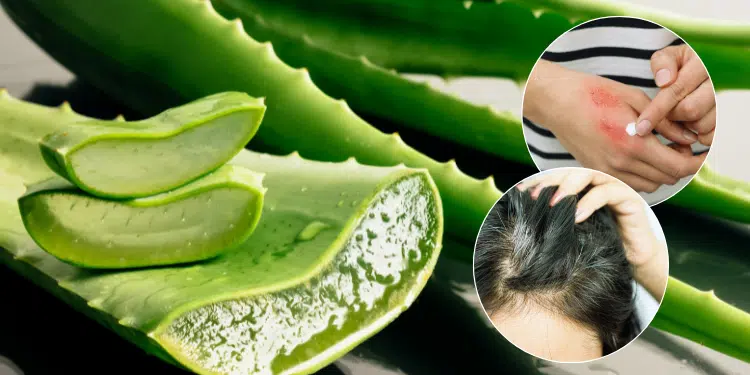
For thousands of years, few plants have been as revered, studied, and used as aloe vera – a succulent often called “The Plant of Immortality.”
Ancient Egyptians gave it this name more than 6,000 years ago, believing it to be a divine gift with extraordinary healing powers.
Cleopatra was said to apply aloe gel daily to keep her skin youthful. Alexander the Great reportedly conquered islands just to secure aloe for his soldiers’ wounds.
And in Ayurvedic and Traditional Chinese Medicine, aloe has long been considered a powerful tonic for internal health.
A Sacred Plant with a Timeless Legacy
Aloe vera (Aloe barbadensis miller) is a perennial succulent native to the Arabian Peninsula but now grown around the world for its therapeutic uses.
Its thick, fleshy leaves store a clear gel rich in healing compounds – a natural pharmacy that has been used for millennia in medicine, skincare, and spiritual rituals.
- Ancient Egypt: Referred to as “The Plant of Immortality,” aloe was buried with pharaohs and used in embalming for its preservative qualities.
- Ancient Greece and Rome: Physicians like Dioscorides and Pliny the Elder documented its use for wounds, ulcers, digestion, and skin conditions.
- Traditional Chinese Medicine: Aloe was used to treat fungal infections, fever, and digestive issues.
- Ayurveda: Considered a “rasayana” – a rejuvenating tonic – aloe was prescribed for detoxification, skin health, liver support, and female reproductive balance.
Today, aloe vera remains a cornerstone of natural healing – but now we understand the science behind its effects.
The Nutritional Powerhouse Inside Aloe Vera
Aloe vera’s extraordinary health benefits come from a unique blend of over 200 bioactive compounds, including:
- Vitamins: A, C, E, B1, B2, B3, B6, B12, folic acid, and choline – potent antioxidants and essential nutrients for cellular function.
- Minerals: Calcium, magnesium, zinc, selenium, iron, potassium, and chromium – crucial for enzyme activity, immunity, and metabolism.
- Enzymes: Amylase, lipase, bradykinase – support digestion, inflammation control, and tissue repair.
- Polysaccharides: Acemannan, glucomannan – immune-modulating, wound-healing, and anti-aging compounds.
- Amino acids: All 8 essential amino acids and many non-essential – building blocks for proteins and tissue regeneration.
- Anthraquinones: Aloin, emodin – natural laxatives, antibacterial, antiviral, and analgesic agents.
- Saponins: Natural cleansers with antiseptic properties.
- Lignin: Enhances absorption of other nutrients and compounds.
This extraordinary profile means aloe doesn’t target just one aspect of health – it supports the entire body.
1. Aloe Vera for Skin: Repair, Regeneration, and Youthful Glow
It’s no coincidence that aloe is a staple ingredient in countless skin products. Its healing power for the skin is unparalleled – and science backs it up.
Heals Wounds and Burns
Aloe accelerates healing by increasing blood flow, stimulating fibroblast activity, and boosting collagen synthesis.
Studies show it can heal first- and second-degree burns up to 30% faster than conventional treatments.
How to use:
- Apply fresh aloe gel directly to cuts, burns, or sunburns.
- Use it post-surgery to reduce scarring.
- Combine with honey for enhanced wound healing.
Anti-Aging and Skin Renewal
Aloe increases collagen production and improves skin elasticity. Its antioxidants (vitamins C and E) fight free radicals, reducing fine lines and wrinkles.
DIY anti-aging mask: Mix 2 tbsp fresh aloe gel with 1 tsp rosehip oil and apply for 20 minutes.
Acne and Blemish Control
Aloe’s antibacterial and anti-inflammatory compounds kill acne-causing bacteria and soothe redness. Its enzymes unclog pores and support skin regeneration.
How to use:
TO CONTINUE READING THE ARTICLE PLEASE SEE PAGE 2