
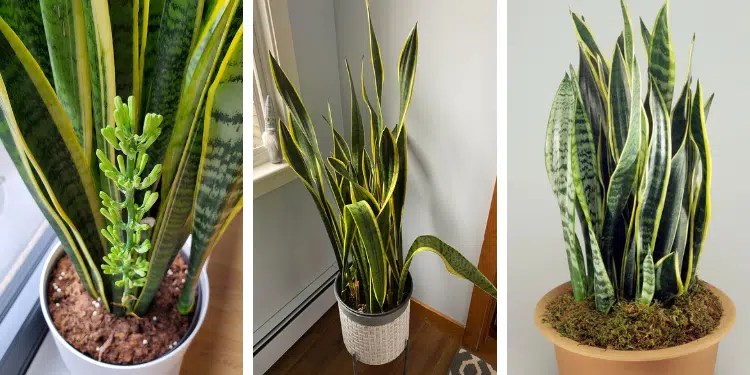
The snake plant, also known as Sansevieria or Dracaena trifasciata, is one of the most underrated yet powerful houseplants you can bring into your home.
With its tall, sculptural leaves and near-indestructible nature, it has earned a reputation as the perfect plant for beginners – but its benefits go far beyond easy care.
From improving indoor air quality to supporting better sleep and mental clarity, the snake plant quietly enhances your living space in ways most people don’t realize.
It’s no surprise that this plant has been cherished in homes across cultures for generations.
Here are eight compelling reasons why everyone should have a snake plant at home.
1. It Helps Clean Indoor Air Naturally
One of the most talked-about benefits of the snake plant is its ability to improve indoor air quality.
Snake plants absorb airborne toxins such as formaldehyde, benzene, xylene, and trichloroethylene – chemicals commonly released from furniture, cleaning products, paints, and synthetic fabrics.
While no single plant can purify an entire home, having snake plants in key areas helps reduce the buildup of indoor pollutants over time. This is especially beneficial in modern homes where ventilation is limited.
Cleaner air contributes to easier breathing, fewer headaches, and a more comfortable living environment.
2. It Releases Oxygen at Night (Perfect for Bedrooms)
Unlike most plants, snake plants continue releasing oxygen at night through a unique process known as CAM photosynthesis. This makes them one of the best plants to keep in bedrooms.
Having a snake plant nearby may help:
- improve nighttime air quality
- support deeper sleep
- reduce stuffy or stagnant air
- create a calmer sleeping environment
For people who struggle with restless sleep or poor bedroom airflow, this small change can make a noticeable difference.
3. It’s One of the Easiest Plants to Care For
Snake plants are famously low-maintenance. They tolerate:
- low light and bright light
- infrequent watering
- temperature fluctuations
- dry indoor air
This makes them ideal for busy households, beginners, or anyone who has struggled to keep plants alive in the past.
Overwatering is the only real threat – otherwise, snake plants thrive on neglect. This reliability is a major reason they’re often recommended as a first houseplant.
4. It Helps Reduce Stress and Improve Focus
Studies show that indoor plants can reduce stress, anxiety, and mental fatigue. The snake plant’s upright growth and clean lines bring a sense of order and calm into a space.
Many people report feeling:
- more relaxed
- more focused
- mentally refreshed
- less overwhelmed
This makes snake plants ideal for home offices, workspaces, and areas where concentration matters.
5. It Adds Powerful Visual Impact With Minimal Effort
The snake plant’s architectural shape instantly elevates interior design. Its tall, vertical leaves make rooms feel more open, balanced, and modern.
It works beautifully in:
- minimalist interiors
- small apartments
- corners that need height
- entryways and hallways
Because it grows slowly and keeps its shape, it looks polished year-round without constant pruning or attention.
6. It Helps Regulate Humidity Indoors
Snake plants help maintain a healthier indoor environment by releasing moisture into the air through transpiration. While subtle, this can contribute to:
- reduced dryness in winter
- less irritated sinuses
- improved comfort for skin and eyes
Balanced humidity supports overall respiratory comfort, especially in heated or air-conditioned homes.
7. It’s Linked to Positive Energy and Protection in Traditions
In many cultures and Feng Shui practices, snake plants are believed to symbolize:
- protection
- resilience
- strength
- good luck
They are often placed near entrances to block negative energy or in living areas to promote stability and harmony.
Whether you follow these traditions or simply enjoy the symbolism, snake plants have long been associated with grounding, protective energy in the home.
TO CONTINUE READING THE ARTICLE PLEASE SEE PAGE 2