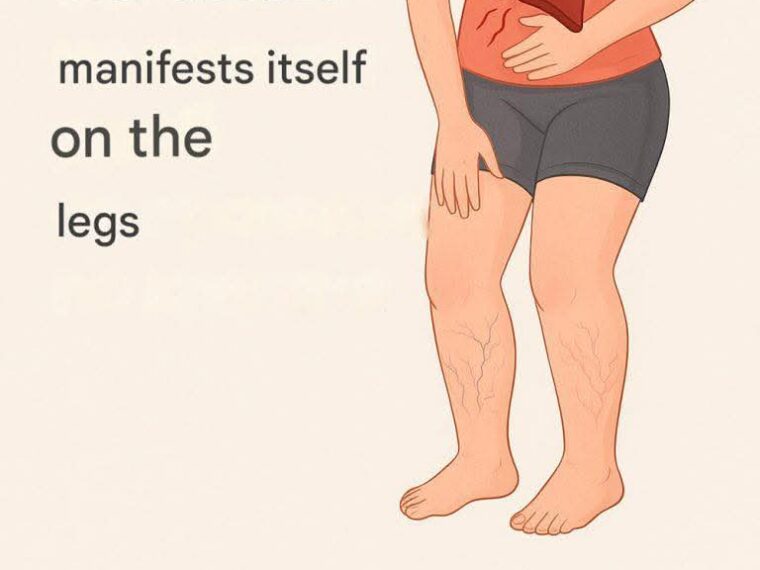
The liver is among the most hardworking organs in the human body. It filters toxins, regulates hormones, produces proteins for blood clotting, and helps manage body fluids. When the liver becomes damaged—whether due to fatty liver disease, hepatitis, alcohol abuse, autoimmune disorders, or cirrhosis—the effects don’t stay confined to the abdomen. In many cases, the legs are one of the first places where visible symptoms appear.
From swelling and bruising to itching, thin muscles, and slow-healing wounds, changes in the legs can quietly signal serious liver dysfunction. Understanding these signs can help with earlier diagnosis—and potentially save lives.
1. Leg Swelling (Peripheral Edema) – The Most Common Sign

One of the earliest and most noticeable signs of advanced liver disease is swelling in the feet, ankles, and lower legs. This condition, known as peripheral edema, occurs when excess fluid leaks out of blood vessels and becomes trapped in surrounding tissues.
Why It Happens
– A damaged liver produces less albumin, a protein that keeps fluid inside blood vessels.
– Increased pressure in liver blood circulation (portal hypertension) pushes fluid downward into the legs due to gravity.
What It Feels Like
– Heavy or tight legs
– Shiny, stretched skin
– A dent remains when you press the skin (pitting edema)
This type of swelling often worsens at night and may improve somewhat after sleeping with the legs elevated.
2. Spider Veins and Abnormal Veins on the Legs

TO CONTINUE READING THE ARTICLE PLEASE SEE PAGE 2